Why Sustainability Still Doesn’t Show Up in Projects—and What to Do About It
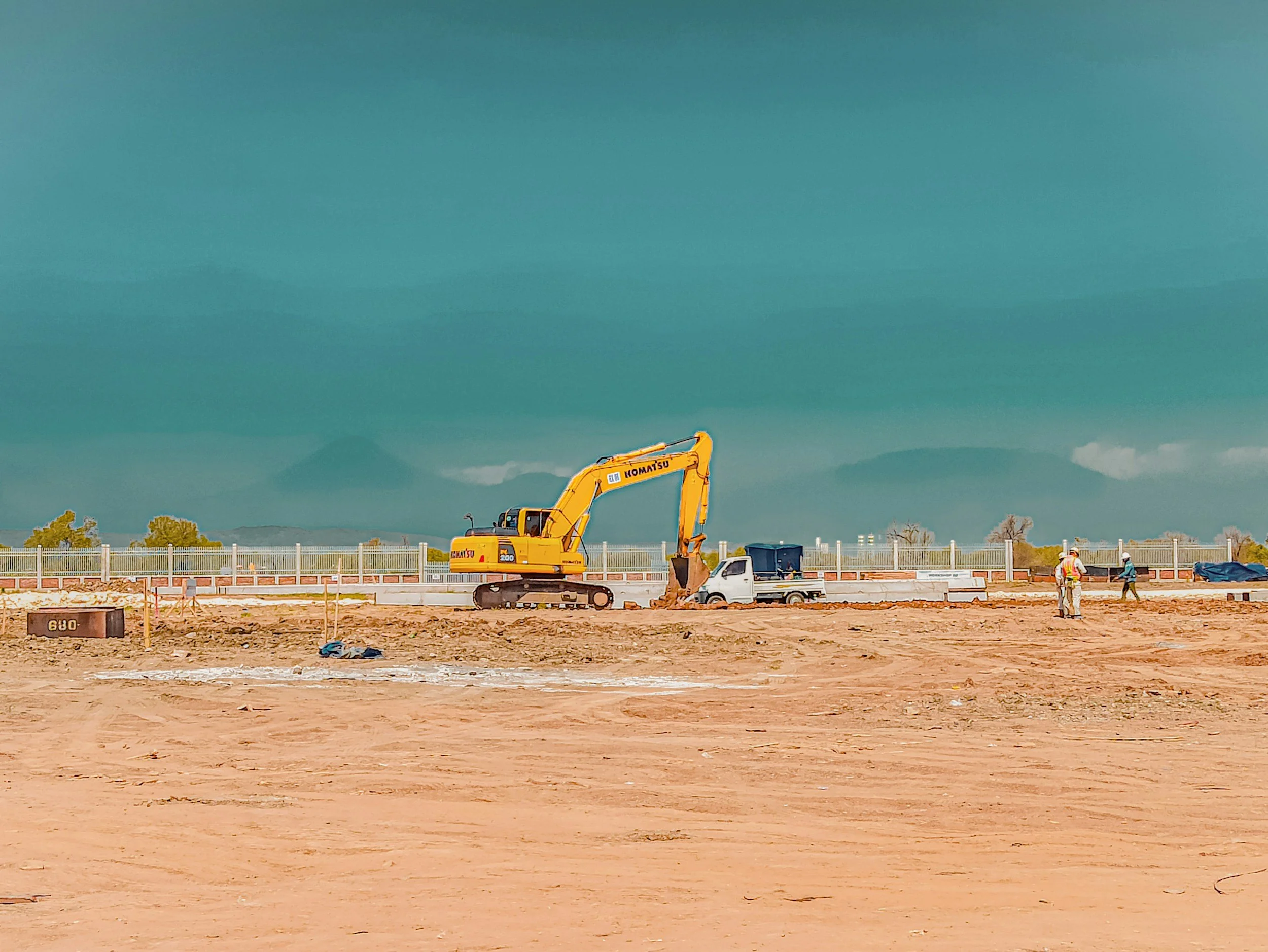
Most companies have made sustainability commitments. Fewer have figured out how those commitments actually show up in day-to-day work. That gap becomes most visible in projects—product launches, capital investments, system implementations—where strategic intent is supposed to translate into operational decisions. A recent article, “Formalising Sustainability Management as a Core Process Group in Project Management” in the academic journal Business Strategy and the Environment examines why that translation so often breaks down and what it would take to fix it.
The articles finds that the core issue is not a lack of ambition, but rather a lack of structure. Sustainability is rarely embedded into the routines, checkpoints, and decision rules that govern how projects are planned, executed, and evaluated. As a result, it remains uneven, discretionary, and difficult to measure. Below, we translate those findings into practical guidance for corporate sustainability teams trying to close that gap.
The problem: sustainability is present—but not operational
Most project management systems already reference sustainability. It appears in stakeholder expectations, risk discussions, or high-level principles like stewardship and long-term value. But it is not consistently embedded in how decisions are actually made. In practice, this means:
Sustainability is considered in some projects but not others
Trade-offs (cost vs. carbon, speed vs. social impact) are resolved inconsistently
Reporting is fragmented and difficult to compare across initiatives
Accountability depends on individual teams rather than system design
The research describes this as a lack of “procedural grammar”—a shared set of decision points, metrics, and artefacts that make sustainability governable. Without that structure, sustainability behaves like a constraint that appears when required, rather than a variable that is actively managed throughout the project lifecycle.
What changes when sustainability is treated as a core process
The central proposal of the paper is straightforward: sustainability should be formalized as a core process group within project management, rather than treated as an overlay or add-on. In practical terms, this means embedding sustainability into four recurring activities:
Planning: defining sustainability requirements, trade-offs, and metrics upfront
Managing: integrating those requirements into execution decisions (procurement, design, resourcing)
Checking: monitoring ESG performance alongside cost, schedule, and quality
Assessing: evaluating long-term impacts and capturing lessons for future projects
This structure moves sustainability from intention to governance architecture—something that can be tracked, audited, and improved over time.
Where sustainability actually belongs in project work
One of the more useful contributions of the research is its detailed mapping of where sustainability should sit within existing project processes. A few examples illustrate the shift:
At the start (project initiation)
Sustainability is built into the business case and project charter
Trade-offs are made visible early, not deferred
During planning
Requirements include environmental, social, and governance criteria
Scope reflects lifecycle impacts (not just immediate deliverables)
Procurement decisions incorporate supplier practices and long-term impacts
During execution
Sustainability is embedded in day-to-day decisions (materials, design, timelines)
Stakeholder engagement expands to include communities, regulators, and affected groups
During monitoring and control
ESG performance is tracked alongside traditional metrics
Change requests are evaluated for environmental and social impact—not just cost and schedule
At project close
Outcomes are assessed beyond delivery (e.g., long-term environmental impact)
Lessons learned include sustainability performance, not just operational efficiency
Taken together, this reframes sustainability as something that runs through the entire lifecycle—not a checkpoint at the beginning or a report at the end.
Practical steps for sustainability teams
The research points to a set of concrete actions for teams trying to operationalize sustainability within projects.
1. Define where sustainability decisions actually happen. Map your project lifecycle and identify the key decision points—scope definition, procurement, change control—where ESG outcomes are shaped. → Focus on those points rather than adding parallel reporting layers.
2. Introduce explicit sustainability criteria into core artefacts. Embed ESG considerations into:
project charters
requirements documents
risk registers
procurement specifications
→ If sustainability is not in these artefacts, it is unlikely to influence decisions.
3. Align metrics with decision-making, not just reporting. Move beyond high-level KPIs to metrics that inform trade-offs (e.g., lifecycle cost vs. emissions). → Measurement should guide decisions, not just evaluate outcomes.
4. Integrate sustainability into change control. Ensure that any project change is evaluated for environmental and social impact, not just financial or timeline implications. → This is one of the highest-leverage intervention points.
5. Treat projects as the execution layer of ESG strategy. Projects are where strategy becomes real. → Use them as the primary mechanism for delivering—and testing—sustainability commitments.
The bottom line
Most companies already have sustainability goals. The challenge is not defining them—it is embedding them into the systems that drive everyday decisions. Projects sit at the center of that challenge. They are where trade-offs are made, resources are allocated, and impacts are created. The research makes a clear case: sustainability becomes effective when it is built into the structure of project work—into the checkpoints, artefacts, and routines that govern how decisions are made. Progress depends less on adding new initiatives and more on redesigning existing processes so that sustainability is part of how work gets done.